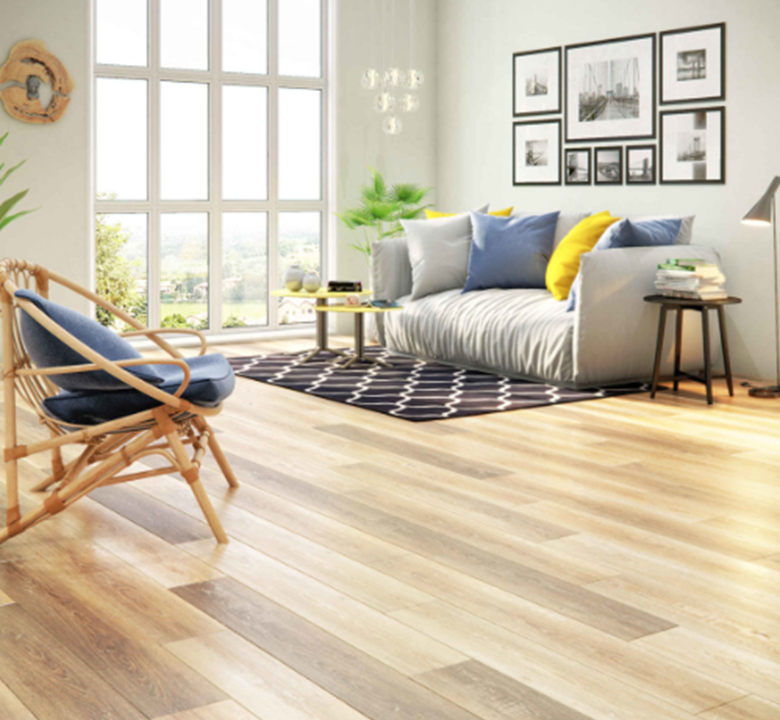
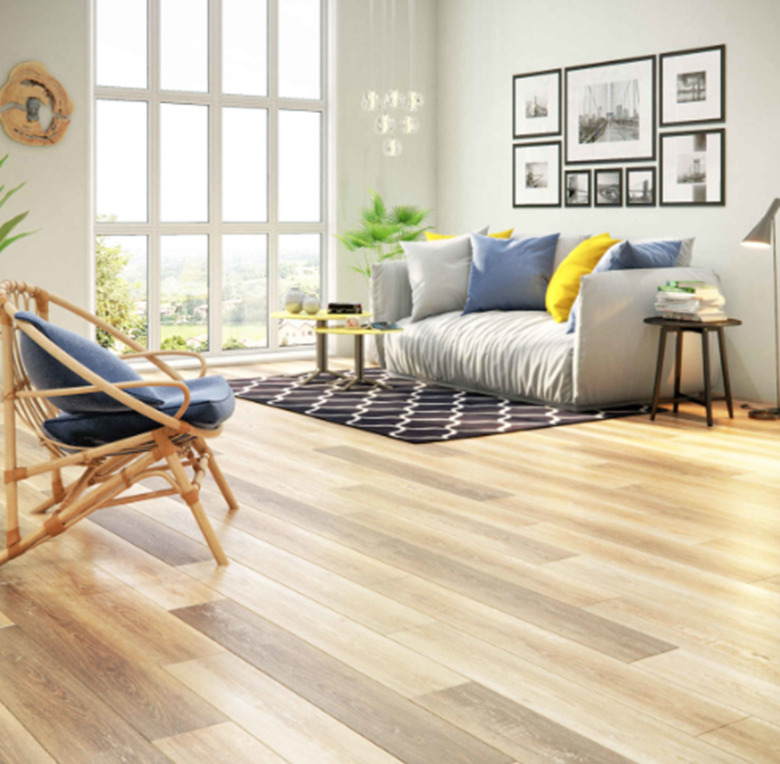
The Future of Interior Design: Integrating 3D Animation for Lifelike Visuals
In a world where technology continually evolves, the realm of interior design is no exception. Imagine being able to step inside a room that exists only in the digital realm, where every detail is meticulously crafted. With 3D animation, the future of interior design is taking on a new dimension—offering lifelike visuals that push the boundaries of creativity and innovation.

Embracing Technological Advancements in Interior Design
The field of interior design has always been a delicate balance between functionality and aesthetics. With the rapid advancement of technology, designers now have a powerful tool at their disposal—3D animation. This cutting-edge technology allows designers to create virtual environments that are indistinguishable from reality. By embracing 3D animation, designers can visualize their concepts with unparalleled detail and precision.
One of the key advantages of using 3D animation in interior design is the ability to showcase different design options to clients more effectively. Instead of traditional mood boards or sketches, clients can now explore a photorealistic 3D rendering of their space. This not only enhances client engagement but also minimizes misinterpretations, leading to more accurate design outcomes.
Moreover, 3D animation offers designers the freedom to experiment with various elements such as lighting, textures, and spatial configurations in a virtual setting. By simulating real-world conditions, designers can test different scenarios and make informed decisions before implementing the designs in physical spaces. This level of flexibility and foresight is revolutionizing how interior design projects are conceptualized and executed.
In essence, 3D animation is blurring the lines between imagination and reality in interior design. It allows designers to transcend traditional limitations and explore innovative ideas that were once confined to the realm of imagination. By immersing clients in lifelike visualizations, designers can effectively convey their design vision and create truly captivating spaces that resonate with clients on a deeper level.
Enhancing Realism Through 3D Animation
When it comes to creating realistic interiors, details matter. This is where 3D animation shines, enabling designers to meticulously craft every aspect of a design with precision and accuracy. From the texture of fabrics to the subtle interplay of shadows and light, 3D animation allows for a level of realism that was previously unattainable.
Furthermore, 3D animation brings static designs to life, allowing designers to showcase dynamic elements such as moving parts, changing lighting conditions, and interactive features. This dynamic quality not only enhances the visual appeal of the design but also provides a comprehensive understanding of how the space will function in reality.
Incorporating 3D animation into the design process also streamlines communication between designers, clients, and contractors. By presenting a detailed and interactive 3D model, designers can ensure that all stakeholders are on the same page regarding the design intent and project requirements. This level of clarity minimizes potential misunderstandings and fosters smoother project execution.
As designers continue to push the boundaries of creativity, 3D animation offers a versatile platform for exploring innovative design solutions. Whether visualizing futuristic concepts or reimagining classic styles, 3D animation provides a medium for designers to engage in limitless creativity and deliver unparalleled realism in their interior design projects.
As the integration of 3D animation becomes more widespread in interior design, the possibilities for creating immersive, realistic spaces are endless. By embracing this technology, designers can elevate their projects to new heights of visual storytelling and creativity, shaping the future of interior design.